Call for a free estimate! We are always available:
+65 8889 5993Call for a free estimate! We are always available:
+65 8889 5993

Curtains do more than block sunlight or add style to your home — they’re also fabric surfaces that can harbour mould, especially in Singapore’s humid climate. Mould doesn’t just damage your curtains; it can leave unpleasant odours and pose health risks. Here’s a complete guide to the types of mould that can grow on curtains, their dangers, and how to prevent them.
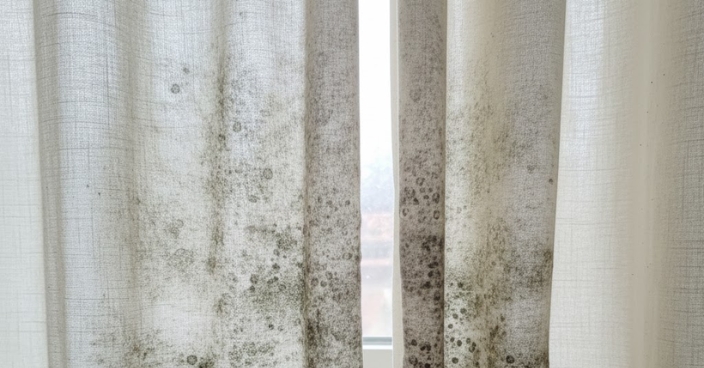
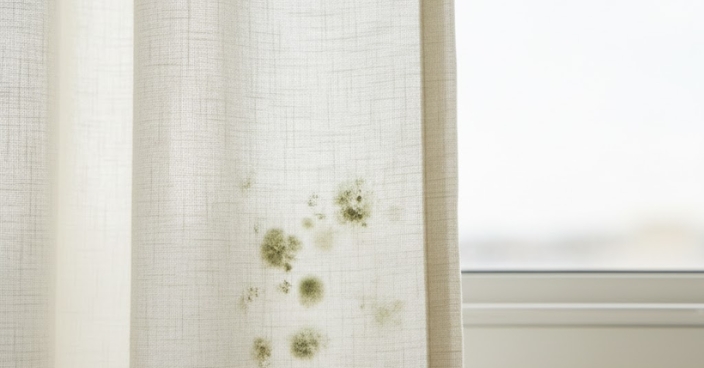
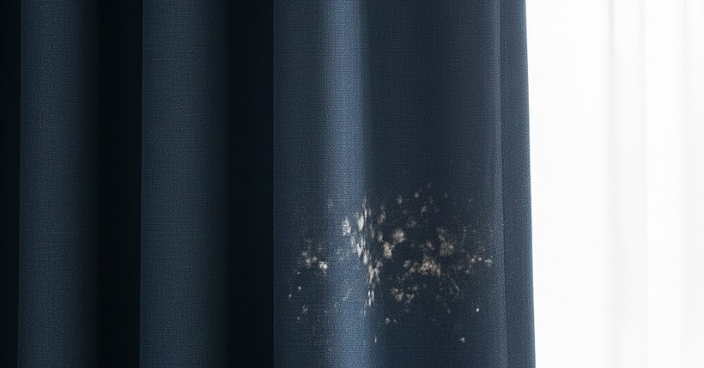
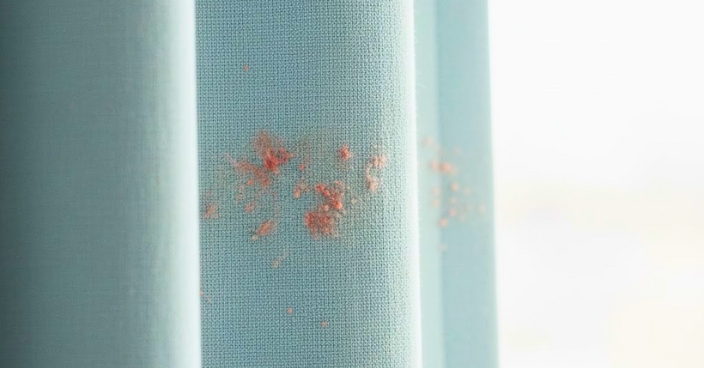
Proper airflow reduces moisture accumulation, one of the main causes of mould growth. Open windows when possible, use fans, and avoid leaving curtains bunched up.
Use dehumidifiers or air-conditioning in rooms prone to dampness. Bathrooms, kitchens, and windows exposed to rain or condensation are common hotspots.
Dust and dirt act as nutrients for mould spores. Vacuum curtains frequently and schedule professional deep cleaning every 6–12 months. Professional cleaning ensures hidden spores are completely removed without damaging delicate fabrics.
After washing, ensure curtains are completely dry before rehanging. Even slightly damp fabric provides the perfect environment for mould growth.
Mould dislikes sunlight. Let curtains receive direct sunlight periodically to help inhibit fungal growth and reduce moisture.
Certain fabrics can be treated with anti-mould sprays or solutions to prevent future growth. Always check the manufacturer’s instructions or consult a professional before use.
Discolouration, musty odours, or damp patches indicate mould is developing. Early action prevents spread and reduces health risks. Severe cases require professional curtain cleaning and mould treatment.
Looking for a professional curtain clean? Reach out to our experts at Cleanclean today! Our services come at wallet-friendly prices. View our price list here.
Nov 26, 2025


.png)


