Call for a free estimate! We are always available:
+65 8889 5993Call for a free estimate! We are always available:
+65 8889 5993

Blinds are a popular choice in many Singapore homes thanks to their sleek look and space-saving design. But when dust, stains, or mould start to build up, many homeowners ask the same question:
Can blinds be washed at home — or will that damage them?
The short answer: some blinds can be lightly washed, but many shouldn’t be. Washing the wrong type of blinds the wrong way can lead to warping, rust, fabric shrinkage or damaged mechanisms.
Here’s how to tell when it’s safe — and when it’s not.
If your blinds only have:
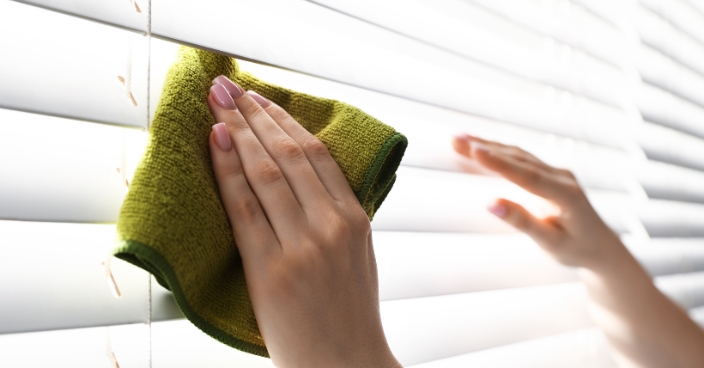
Gently remove dust using a soft microfiber cloth, a vacuum with a soft brush attachment or mild soap and water (for spot cleaning only). Avoid harsh scrubbing or soaking the blinds in water.
This works best for routine maintenance, not deep cleaning.
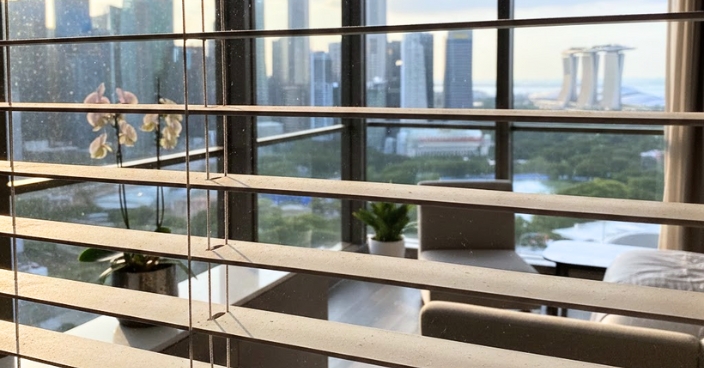
PVC and aluminium blinds are more water-resistant than fabric blinds. In some cases, gentle washing is safe if done correctly.
Safe methods include:
⚠️ Avoid removing the blinds unless you’re confident about reinstalling them properly.
Roller blinds should never be fully washed, but light spot cleaning is generally safe:
Too much water can weaken the backing and cause fabric distortion.

Fabric blinds are the most commonly damaged by DIY washing. Risks include shrinkage, colour fading, water stains and loss of shape.
Even hand-washing can permanently ruin fabric blinds if the wrong cleaning solution or drying method is used. So be wary!
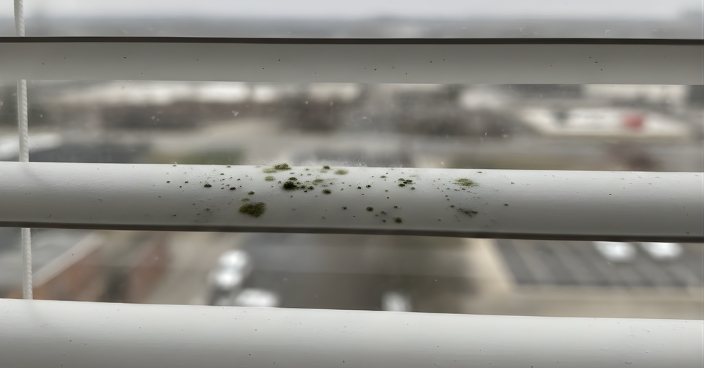
If you see:
DIY washing may spread mould spores instead of removing them completely. What’s more improper drying can also make the problem worse.
So if you’re inexperienced, it’s advisable to look up for companies who do professional blinds cleaning.
Blinds with chains, springs, motors or internal mechanisms should never be washed at home. Water can seep inside and cause corrosion or mechanical failure.
Zebra blinds have layered fabric panels that are especially sensitive to excess moisture, uneven drying and scrubbing.
DIY washing often leads to fabric warping or misalignment.
Many damaged blinds are the result of:
These mistakes may not show immediate damage — but they significantly shorten the lifespan of your blinds.
Professional blinds cleaning is recommended when:
It ensures proper cleaning solutions for each material, safe handling of mechanisms and thorough drying to prevent mould regrowth, leaving you with a peace of mind.
So, can you wash blinds at home? The answer is yes, but only for light cleaning and only for certain types of blinds.
When in doubt, it’s always safer to opt for professional cleaning. It protects your investment, saves time, and avoids costly replacements.
If your blinds are looking dull, dusty, or mouldy, get professional help with Cleanclean’s blinds cleaning service. Keen? Book your slot with us today!
Feb 5, 2026


.png)


